

Mythbusters: Examining False Axioms That Have No Business in Claims Management, Part One

People pride themselves on multitasking, when in the strictest sense, there is almost no such thing. No matter how many “tasks” you have open on your desktop or your to-do list, they come down to one thing at a time. Right now, I am writing this article. I am also monitoring my email, which is a bad habit because it causes me to mistype words, lose a thought that may never return, or write something in a halting, awkward way, meandering through babbling brooks and plush meadows of flowery words when one word or phrase would do—and do better.
The Standardization Paradox: How To Balance Individual Claim Truth Against Hard, Unyielding Standards

Adjusting a claim is as much an art as a science. You cannot ignore the science—the hard evidence; the apparent truth; the policy, its endorsements and exclusions; the mitigating circumstances of the loss; etc.—but that will not always eliminate the gray areas. Adjusters are called adjusters because they adjust the loss to the claim, they adjust the policyholder’s expectations, they adjust themselves, they adjust…
The Documentarian: Documentation as a Discipline in Claim Management

I thought about that this morning and thought about the insurance adjusting axiom, “If you didn’t document it, it didn’t happen.” That is an overstatement for effect, of course. It may well have happened, but if you didn’t see the need to record the how, where, when, and what of it, it may as well not have happened, especially when your notes are pulled in a claim dispute or a deposition.
Not All the Lost are Wandering: The Dangers of Inertia in Claims Handling
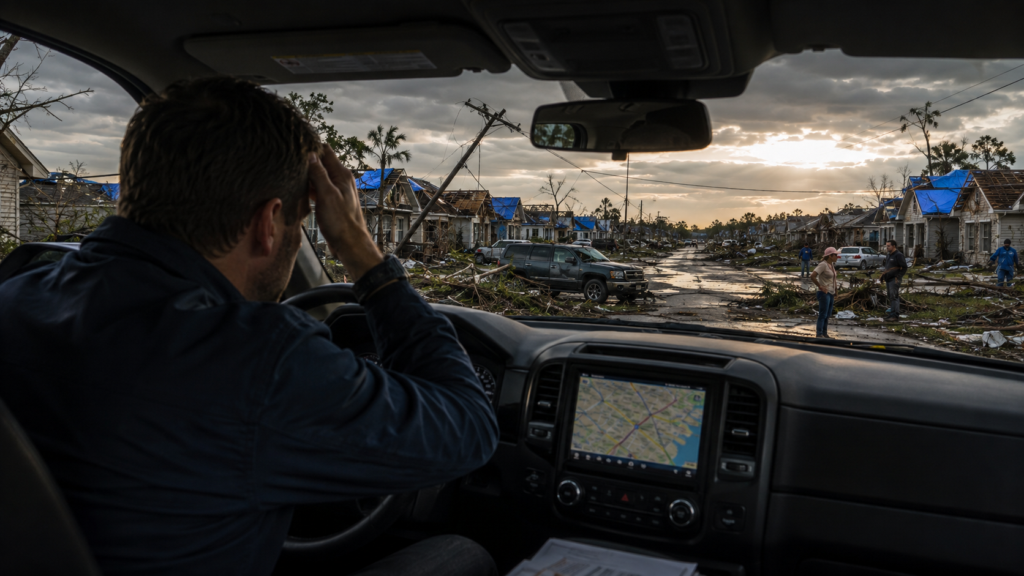
Since 1980, the United States has recorded hundreds of billion-dollar weather and climate disasters, with cumulative losses exceeding $2.9 trillion. In the 1980s, the country averaged fewer than five such events annually. Since 2020, that average has risen to more than twenty per year. In 2023 alone, there were 28.
Simple and Easy: How to Make a Lasting Impact as a Claims Adjuster
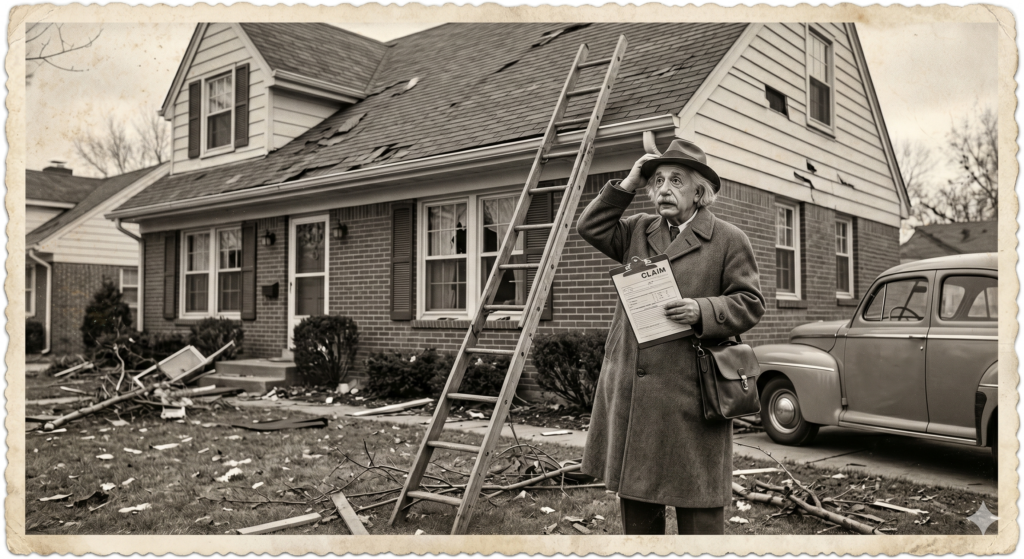
Each Friday, on the Mid-America Catastrophe Services company review call, I am asked by the Vice President of Operations, who leads the call, to share a bit of wisdom going […]
I got lucky as a claims adjuster—and in life —and you can too!

I made a friend while away from home, working as a catastrophe adjuster on a hurricane for an extended period. We were weeks into our friendship when my wife came […]
How to be Great at Being Great: A Poor Adjuster’s Guide to Greatness
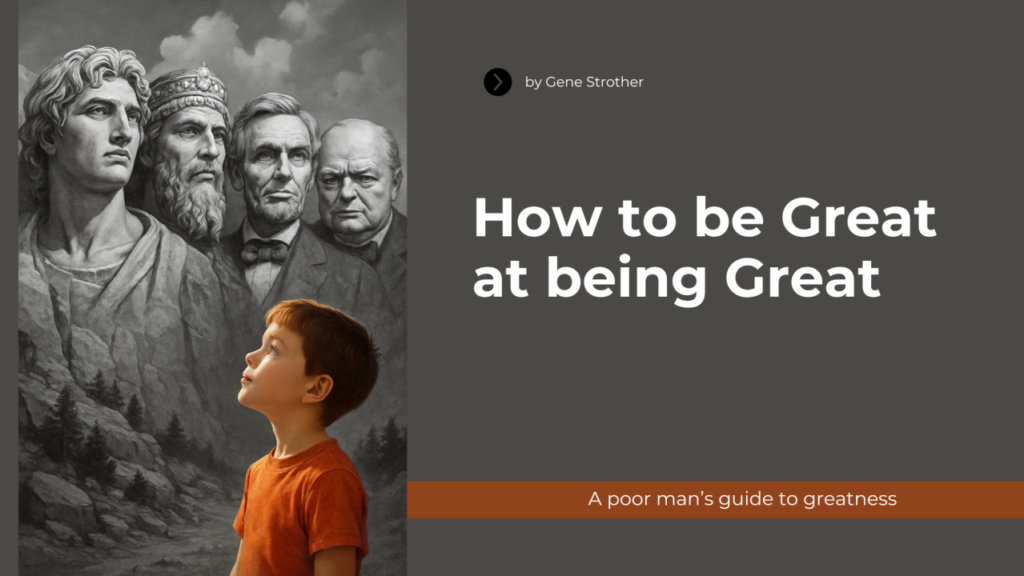
“Some are born great, some achieve greatness, and others have greatness thrust upon them.” —William Shakespeare I keep hearing Chevy Chase reading, “The Night Before Christmas”—yes, I know it’s August—just […]
Success Defined: It Isn’t What You Think It Is. Or Is It?
I overheard a conversation this morning. I do not know the subject or point of it. I only know that I heard this one sentence and it sent me tumbling […]
The Prospective Adjuster’s Checklist: 10 questions to answer before you commit to a career as an independent insurance claims adjuster

Who wants to be an independent insurance claims adjuster say yeah! So you want to become an independent insurance claims adjuster? But why? How do you determine whether claims adjusting […]
Adjust U assists a corporate person’s transition to independent claims adjusting

Gene Strother, President of Adjust U We have talked before about the 5-star experience for the Adjust U learner. We have heard from students who have come to us at […]