

Mythbusters: Examining False Axioms That Have No Business in Claims Management, Part One

People pride themselves on multitasking, when in the strictest sense, there is almost no such thing. No matter how many “tasks” you have open on your desktop or your to-do list, they come down to one thing at a time. Right now, I am writing this article. I am also monitoring my email, which is a bad habit because it causes me to mistype words, lose a thought that may never return, or write something in a halting, awkward way, meandering through babbling brooks and plush meadows of flowery words when one word or phrase would do—and do better.
An Uneasy Rest: The Grind, The Glory, and the Next Storm

Every day, get up, tie your shoelaces, hit the ground running. Claim your place on that roster. Make your mark on that storm. Lend your knowledge and wisdom to that person who suffered loss. Put in motion something others can cling to in a storm, believe in while working a claim, and build on in their own careers — your legacy.
The Standardization Paradox: How To Balance Individual Claim Truth Against Hard, Unyielding Standards

Adjusting a claim is as much an art as a science. You cannot ignore the science—the hard evidence; the apparent truth; the policy, its endorsements and exclusions; the mitigating circumstances of the loss; etc.—but that will not always eliminate the gray areas. Adjusters are called adjusters because they adjust the loss to the claim, they adjust the policyholder’s expectations, they adjust themselves, they adjust…
The Documentarian: Documentation as a Discipline in Claim Management

I thought about that this morning and thought about the insurance adjusting axiom, “If you didn’t document it, it didn’t happen.” That is an overstatement for effect, of course. It may well have happened, but if you didn’t see the need to record the how, where, when, and what of it, it may as well not have happened, especially when your notes are pulled in a claim dispute or a deposition.
What If There Is No Hurricane? Ten Ways to Weatherproof Your Adjuster Career

Tragedy is perspective specific. One person’s storm is another’s sustenance. I see plenty of worried faces these days. After a quiet 2025 season for U.S. landfall hurricanes, when some IA firms and related businesses were forced to close up shop, we are facing down El Niño in 2026.
Double Exposure: Assessing Risk and Protecting People

Exposure means vulnerability. That is the connective tissue. Exposure to sun, cold, financial loss, catastrophe, or data misuse all share one thing: something valuable is left unprotected.
This is where insurance lives and why it exists: to mitigate the risk caused by exposure, and when it comes to weather, we are all exposed to one degree or the other, largely dictated by where we live.
Jim Carrey and the $10 Million Check. Dream Up!
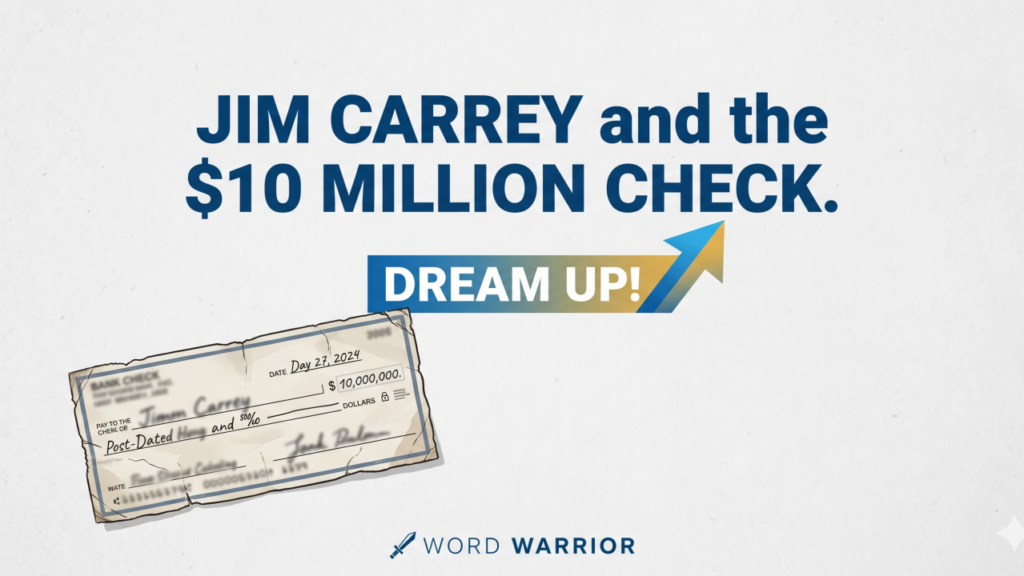
Imagine yourself better. Imagine doing more. Imagine living on a higher plane. Imagine raising the stakes. Imagine hitting the jackpot. Imagine closing the deal. Imagine yourself in that house and neighborhood you love. Imagine your relationships fulfilling. Imagine. Dream. Up.
Seven Signs of Immaturity: How to Know if You Still Need to Grow Up

In this age of everyone knowing something about everything and everything about nothing–especially other people—we see a mad rush to judgment and a sharp division into extreme positions. Those who profit from clickbait and the derision and/or celebration of people and entities light the fire and fan the flame with endless persistence. The algorithm feeds the fevered frenzy and galvanizes the willing and unwitting masses.
Not All the Lost are Wandering: The Dangers of Inertia in Claims Handling
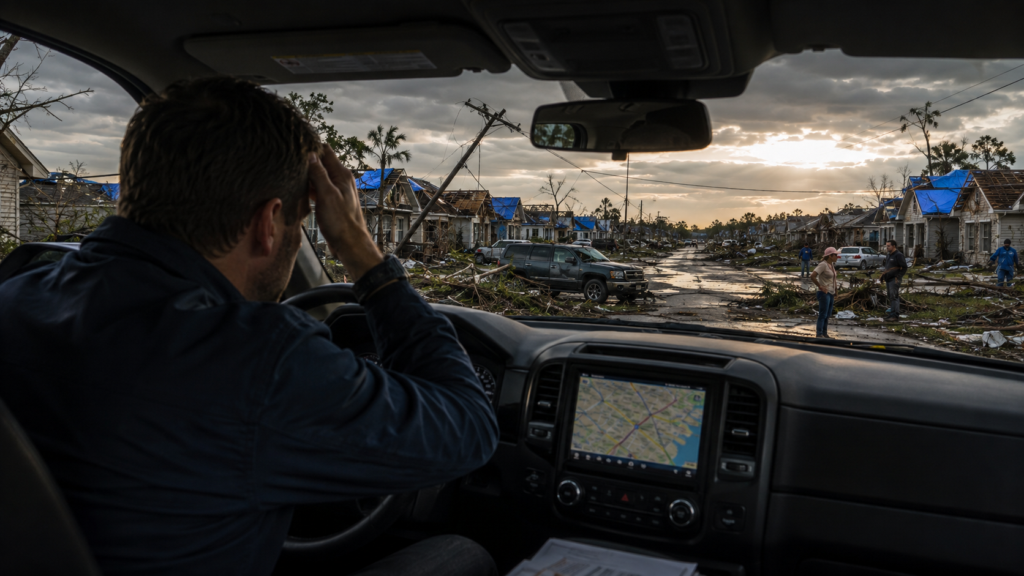
Since 1980, the United States has recorded hundreds of billion-dollar weather and climate disasters, with cumulative losses exceeding $2.9 trillion. In the 1980s, the country averaged fewer than five such events annually. Since 2020, that average has risen to more than twenty per year. In 2023 alone, there were 28.
The Deployables: How to Become an Indispensable Adjuster
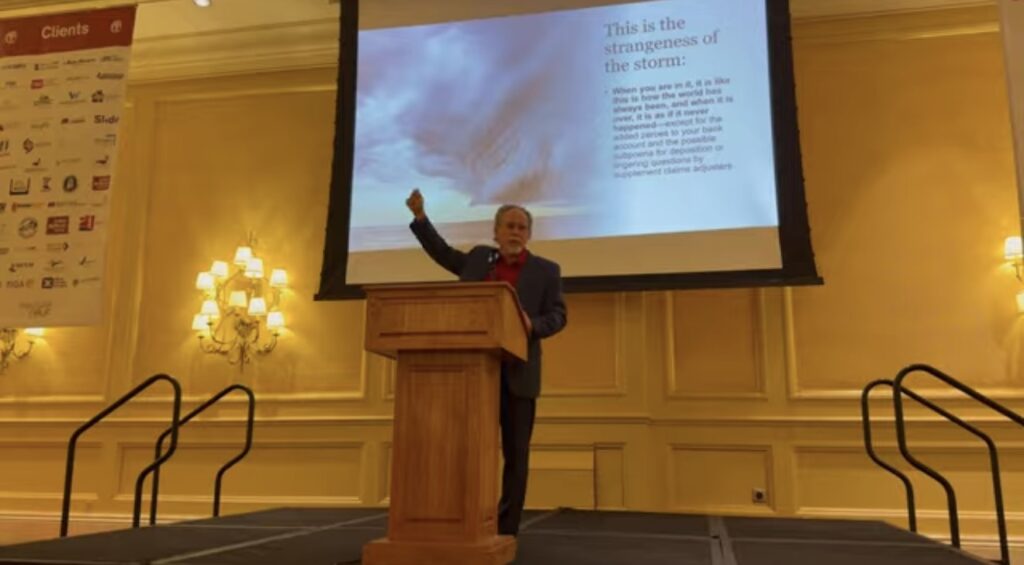
You are in the fog of war. Emails are flying. Nerves are fraying. Spam is frying on the extended-stay stovetop. Mandatory calls disrupt your day. The written rules of engagement, which you have committed to memory, are rewritten on the fly. New day, new directive. Good luck!
Why do you think they call us adjusters? That’s what we do. We adjust. And then we adjust again.